Home Access Instructions v4.0
created by Jacob M. Wesslercontact info in the Outlook Global
Last Updated: May 31, 2026
introduction | mac & pc
Welcome to version 4!! It's not just about AVHE anymore!
This page was created to help users access AVHE applications from home. Now, we welcome AVD to the fold.
This page can get technical and a bit wordy, but please try to follow these instructions in order and do specifically what they ask you to do.
Each blue section header is labeled with Mac or PC so you know if the section applies to your platform.
If you find yourself stuck, send me an e-mail. My contact information is in the Outlook Global. I'm the only Col Jacob Wessler in there.
Please include a screenshot of your current error. (Mac Screenshot Instructions | PC Screenshot Instructions)
Good luck!!
Jacob
do i use mac or pc | mac & pctop
This is a great place to start.
You can get AVHE and the DHA Clinical Desktop working on any modern macOS or Windows machine. Some take a little more work than others but you can have success with either.
So, you can do it with just about any computer.
Except Chromebooks. NEVER Chromebook. You can't get a good CAC reader for Chromebooks. Many have tried. They have all failed!
So, I advise people to stick with what they have. You can get it to work. I believe in you.
what CAC reader should I get? | mac & pctop
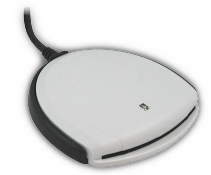
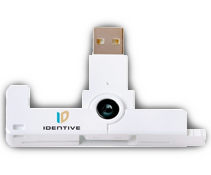
Get one of these two CAC readers. (click the links to shop at Amazon. These are NOT affiliate links. I don't make any money from you clicking them.)
gatekeeper and installing software | mactop
Apple has a safety feature called Gatekeeper. This program prevents you from installing potentially dangerous software. There are a lot of caveats to how this system works but it can hinder software installation. In order to install certain programs (like the CAC enabler software and CITRIX Workspace App), you may need to disable Gatekeeper.
Go to this article from Apple to learn how to disable Gatekeeper or bypass it for one application. If you disable it, please re-enable it after installing CITRIX.
It's safer that way.
enable your CAC reader | mactop
There used to be an entire section on enabling your CAC reader here. This information is no longer useful as modern computers are set up ready to handle CAC readers without additional software.
That being said, you can find the old instructions (and links to troubleshooting sections) in the Version Archive section below. Start with the Version 3.7 Archive.
Of course, you still need to download and install the DoD Certificates to enable all of this so don't skip the next section!
dod certificates | mac & pctop
This has become one of the biggest hurdles for new users to get over.
Make sure you follow these instructions closely. If you have already installed the DoD Certificates and you are getting SSL or connection errors, please install the certificates again using these links and these instructions.
These DoD certificates are DIFFERENT than the certificates on your CAC. You need to have the right DoD certificates installed on your computer in order for your computer to talk to the DoD servers.
The DOD updates their certificates every now and then and you need to make sure that you have the most current certificates installed and trusted on your computer.
mac Users
Download the AllCerts.zip file.
Go to your Downloads folder and find the AllCerts.zip file.

If it hasn't expanded to a folder, double-click it. I already double-clicked mine so you can see what the folder looks like.

Double-click the folder to open it and see all the certs.
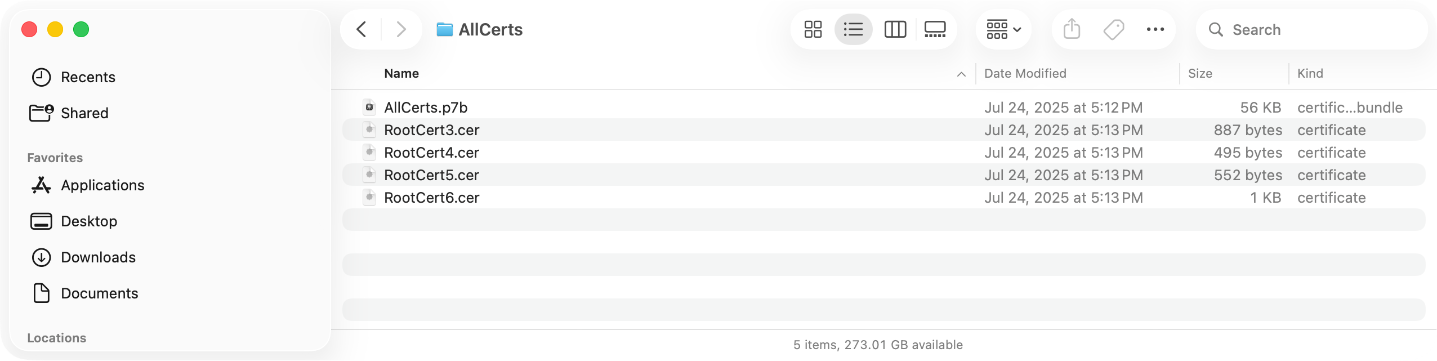
Press Command-A to select all the certs in the folder. Then press Command-O (that's an "o" not a zero) to open them all.
You will see a dialog box asking for permission to modify your system keychain. Authenticate with TouchID/Password/PIN (if you have your CAC inserted). You may have to do this multiple times for the various certificates.

trust those dod root ca certificates
HOLY COW - DO NOT SKIP THIS PART! SERIOUSLY, THIS IS 90% OF THE ERRORS PEOPLE E-MAIL ME ABOUT!!
Open Keychain Access (click the magnifying glass in the top right of your screen and type in Keychain. Press Enter when Keychain Access appears.)
Scroll down until you find the DoD Root CA certificates. Most likely, yours will have red xs by them.
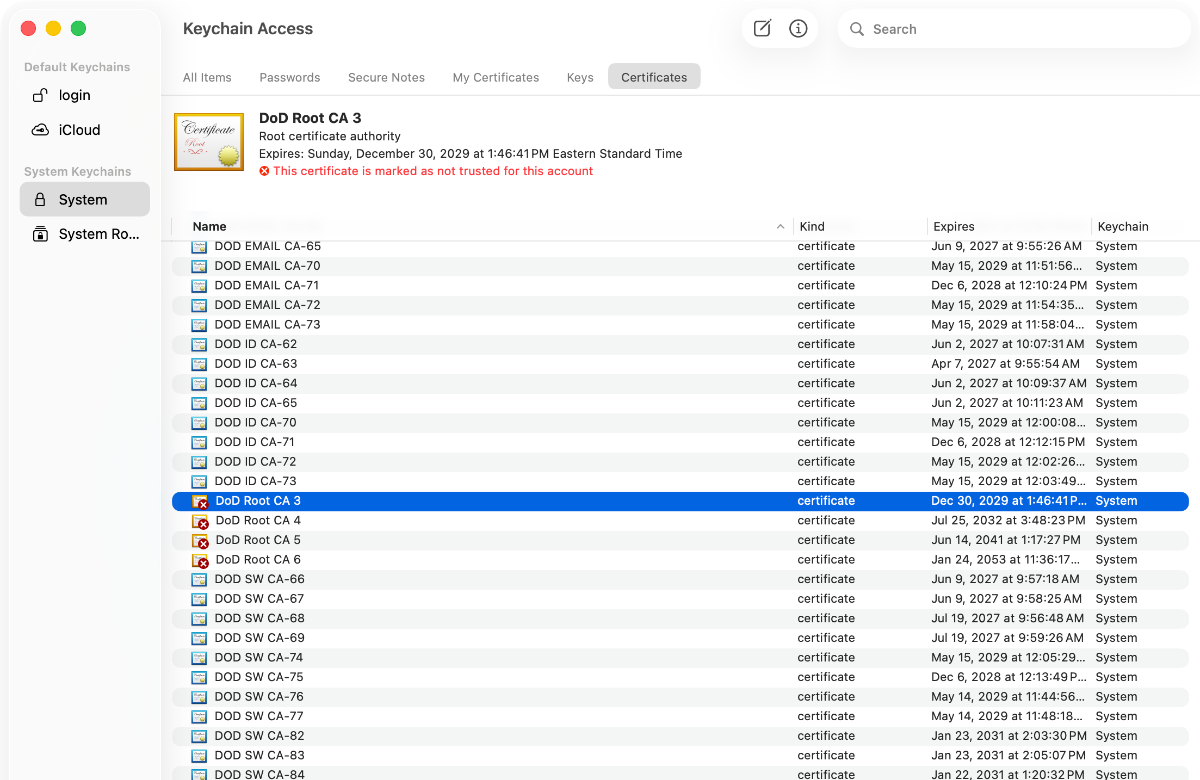
Select all of the ones with red xs (Hold down Control while you click them individually) then press Command-I (that's an "i") to edit them.
In the window that opens, click the gray triangle next to Trust. Select Always Trust from the first drop-down box.
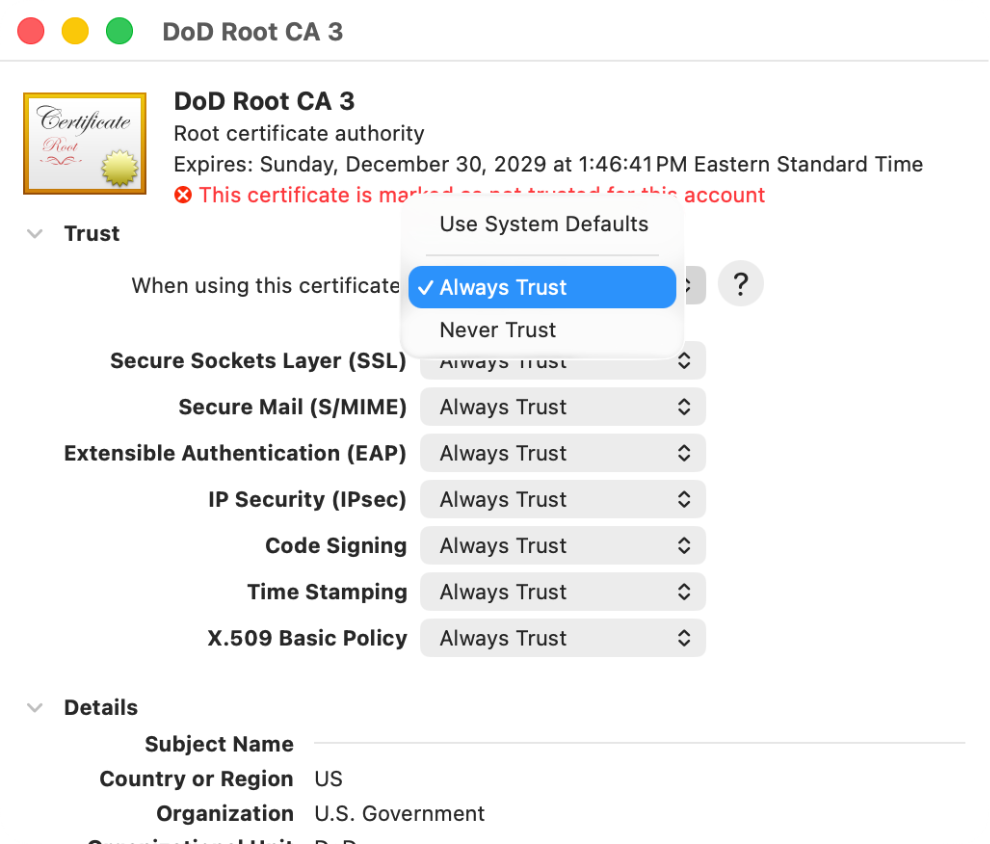
Click the red circle in the top left corner to close the window. Enter your computer password to accept the change.
Do this for all the DoD Root CA certs until they have blue plusses next to them.
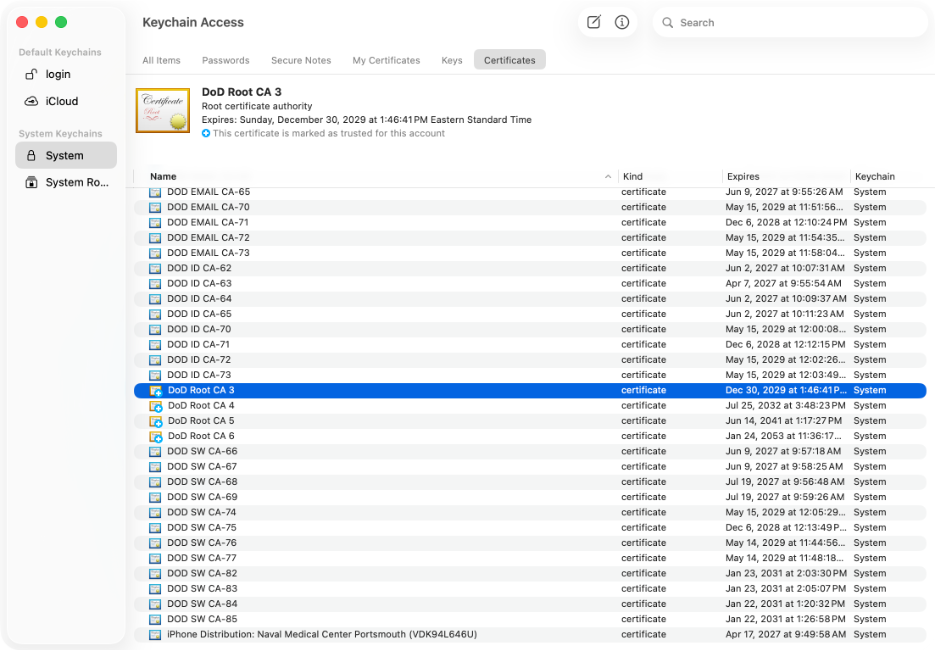
You are now done with the DoD Certificates part of the installation. You may continue on with the CITRIX instructions.
pc users
YOU TOO! THIS IS A VERY IMPORTANT STEP! DON'T SKIP IT!
You need to install the DoD Certificates for your computer. There is a program that will do this for you. It is called InstallRoot.
Go to this page at MilitaryCAC.com and scroll down to the section on InstallRoot (it's a small scroll).

Download the MilitaryCAC (.msi version) to your computer. Find the file in your Downloads folder. Double-click on it to run it.
Follow the prompts to install the DoD Certificates.
AVD or AVHE | mac & pctop
Okay. You have another choice to make.
Do you want to use AVHE or AVD?
AVD | mac & pc
AVD stands for Azure Virtual Desktop and is the newer kid on the block. Set up is a bit easier. It's just one application to download and it connects to a virtual desktop. From there you launch Outlook, Network Shares, MHS GENESIS, etc from inside that virtual desktop. It's kind of like one-stop-shopping.
Set up instructions can be downloaded here. If you decide to use AVD, you can follow the instructions and then stop reading this site...you're done!!
Please note: Instructions are provided by DHA. This is v1. If you have another copy, please check the version and use the latest one.
AVHE | mac & pc
AVHE stands for Application Virtual Hosting Environment and has been around for quite a while. Set up has a few more steps but there are more options for launching specific applications instead of just the virtual desktop.
You can still launch a virtual desktop but you can also launch Webmail, MHS GENESIS, and more by themselves. If AVD is a hammer, AVHE is a scalpel.
If you decide you want to use AVHE, keep reading and follow the instructions below.
new AVHE user | mac & pctop
If this is your FIRST time EVER using AVHE, you need to contact the Global Service Center (GSC) and have them create your account.
Send an e-mail to dhagsc@health.mil and ask them to create an AVHE account for you.
It is best if you can send this from your @health.mil e-mail account but you don't have to.
Tell them that you need access to MHS GENESIS because they will likely ask.
download CITRIX | mac & pctop
Moving along now.
We need to download the CITRIX software to talk to the AVHE servers. Because the software is changing so often, I will direct you to the CITRIX site to download the latest software.
Click here to go to the CITRIX downloads page.
Once there, click on the "Select Product..." drop-down and select "CITRIX Workspace App" from the list. On the next page, select "Workspace App for Mac" or "Workspace App for PC" from the list. (One user had to download the Workspace App Universal version on PC)
Download the newest version of CITRIX Workspace App and install it.
Note: You may need to disable gatekeeper to install the software.
citrix add an account dialog box
After installing the CITRIX Workspace App, you may get a dialog box asking you to "Enter your Store URL or email address."
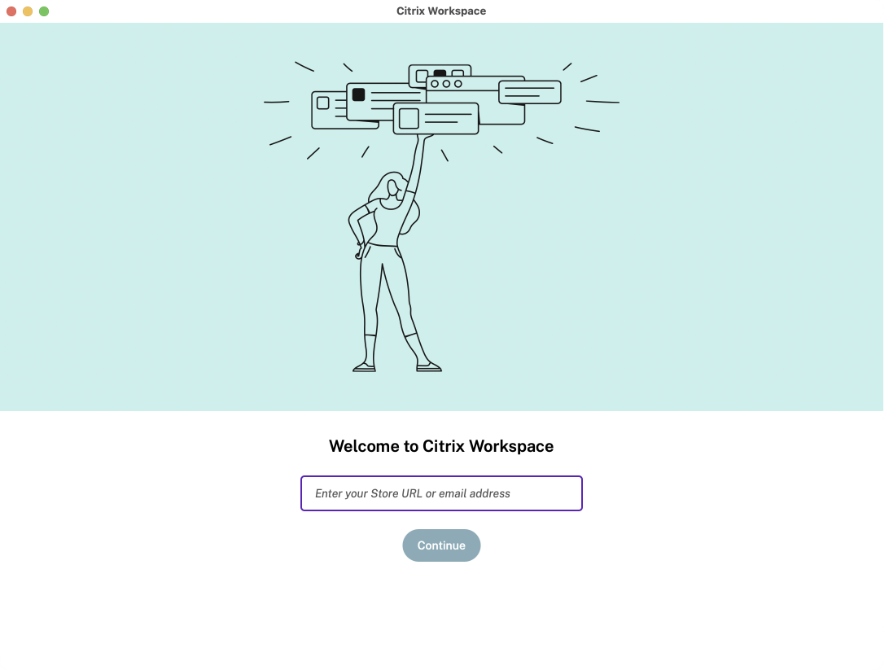
IGNORE this dialog box. Just click cancel and close the app. When you go to AVHE, the plugin will automatically load. You don't need to do anything with this dialog box. Your DoD e-mail account won't work so don't even bother trying it!
which browser should I use | mac & pctop
AVHE is accessed from a web browser. There are some gotchas depending on which operating system you use.
mac users
I recommend using Google Chrome to access AVHE. It just works better.
Chrome is not available in the Mac App Store. You can download it here.
When trying to connect to the AVHE site, you may get an error page stating that your connection is not private. If so, see the Google Chrome Bug troubleshooting tips.
pc users
Most PC users have done okay with Google Chrome but I have seen more and more people need to use Microsoft Edge.
If you are having trouble using Google Chrome, consider trying Microsoft Edge instead.
connect to AVHE | mac & pctop
If you've used AVHE at a previous command or you have the e-mail from the Global Service Center telling you your account is created, then you can continue.
You can connect to AVHE using this link: https://avhe.health.mil
You will be presented with a drop-down asking you to select your CAC certificate.
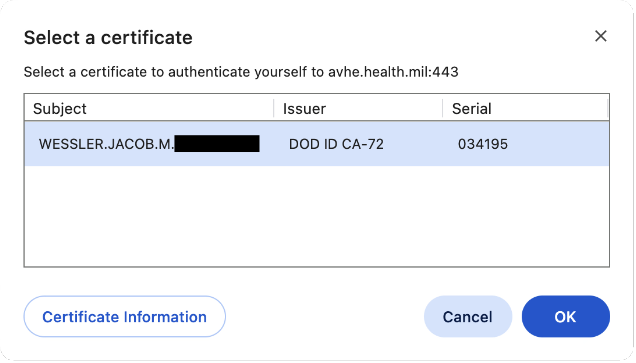
Select your PIV certificate (DOD ID CA-XX; the numbers may be different for your CAC. That's okay.)
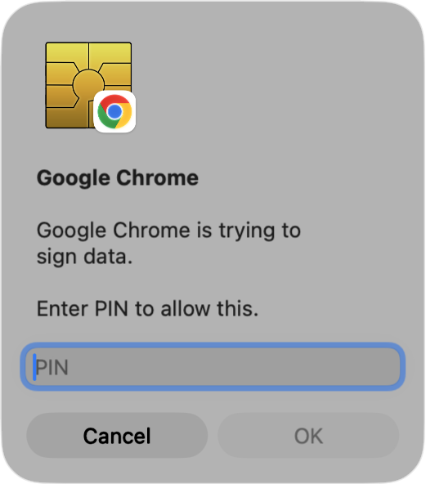
Mac users will be presented with a dialog box asking for Keychain access. This is asking for your CAC PIN. Do not enter your computer password here. It is your 6-8 number CAC PIN.
PC users will be presented with a dialog box that looks like the one at work. Make sure you select your authentication certificate.
If things are going well, and this is your first time on AVHE, then you should see a Detect Receiver page.
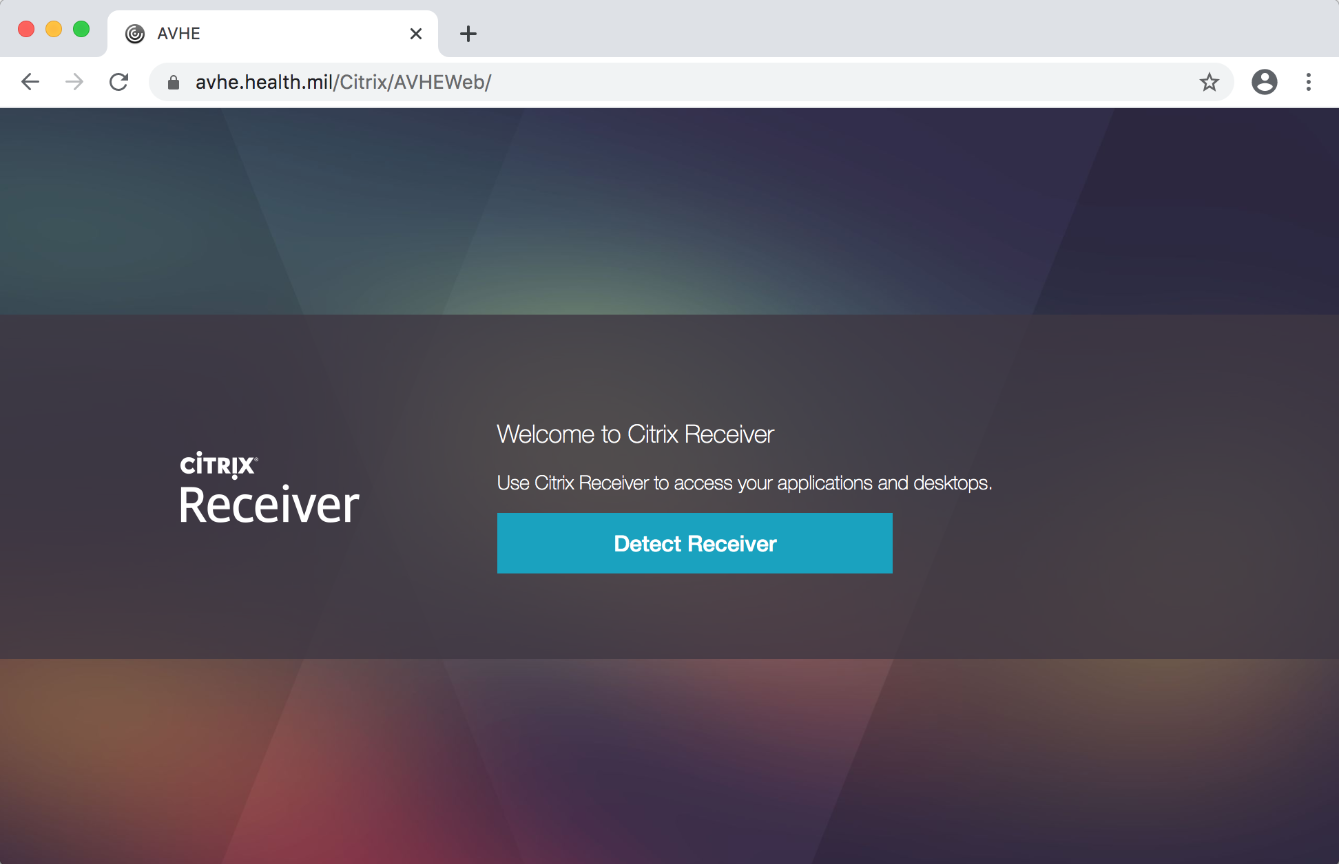
Click the Detect Receiver button there in the middle. It's the blue one. Don't be shy!
Next, you'll see a window pop-up asking if you want to Open the Citrix Workspace Launcher.
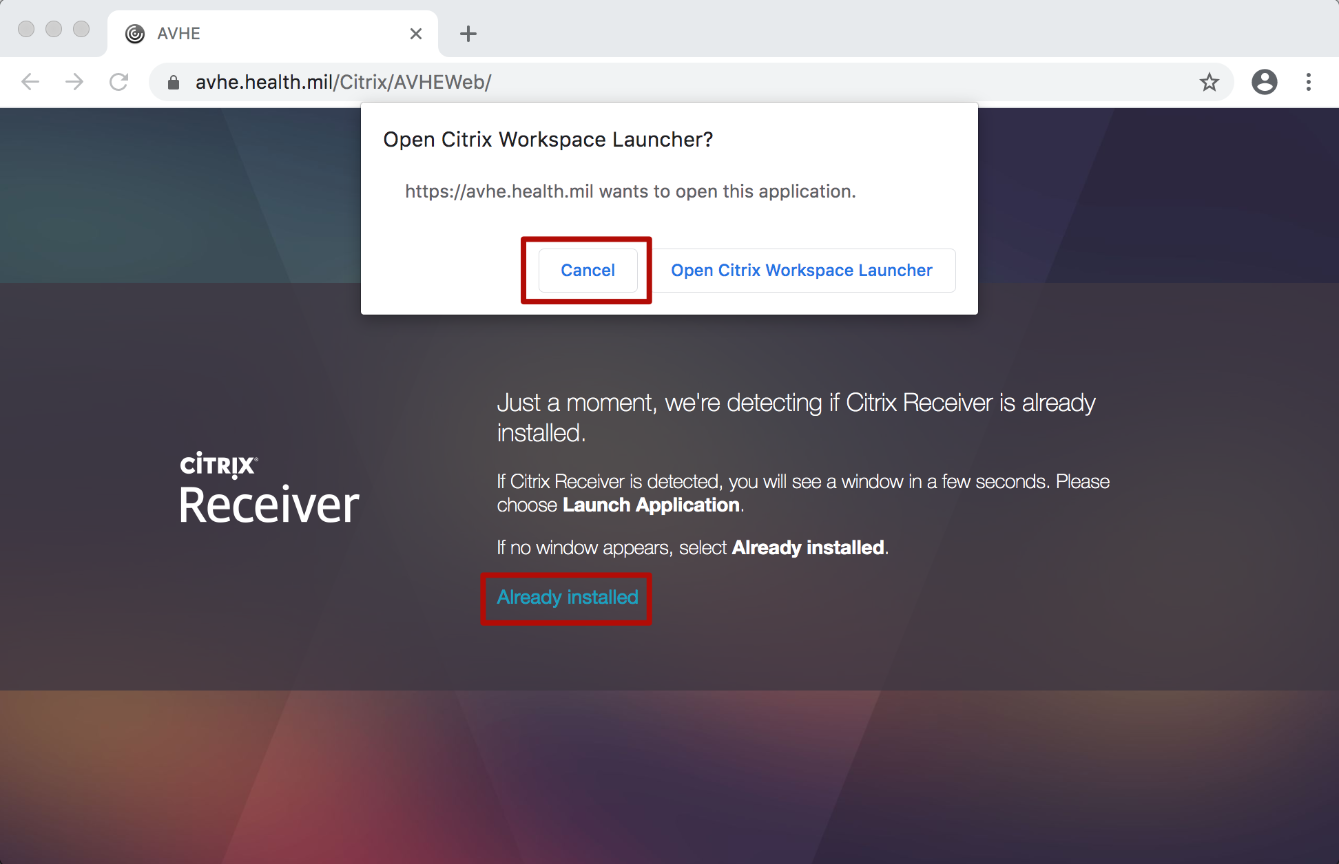
Click Cancel.
Then click Already installed.
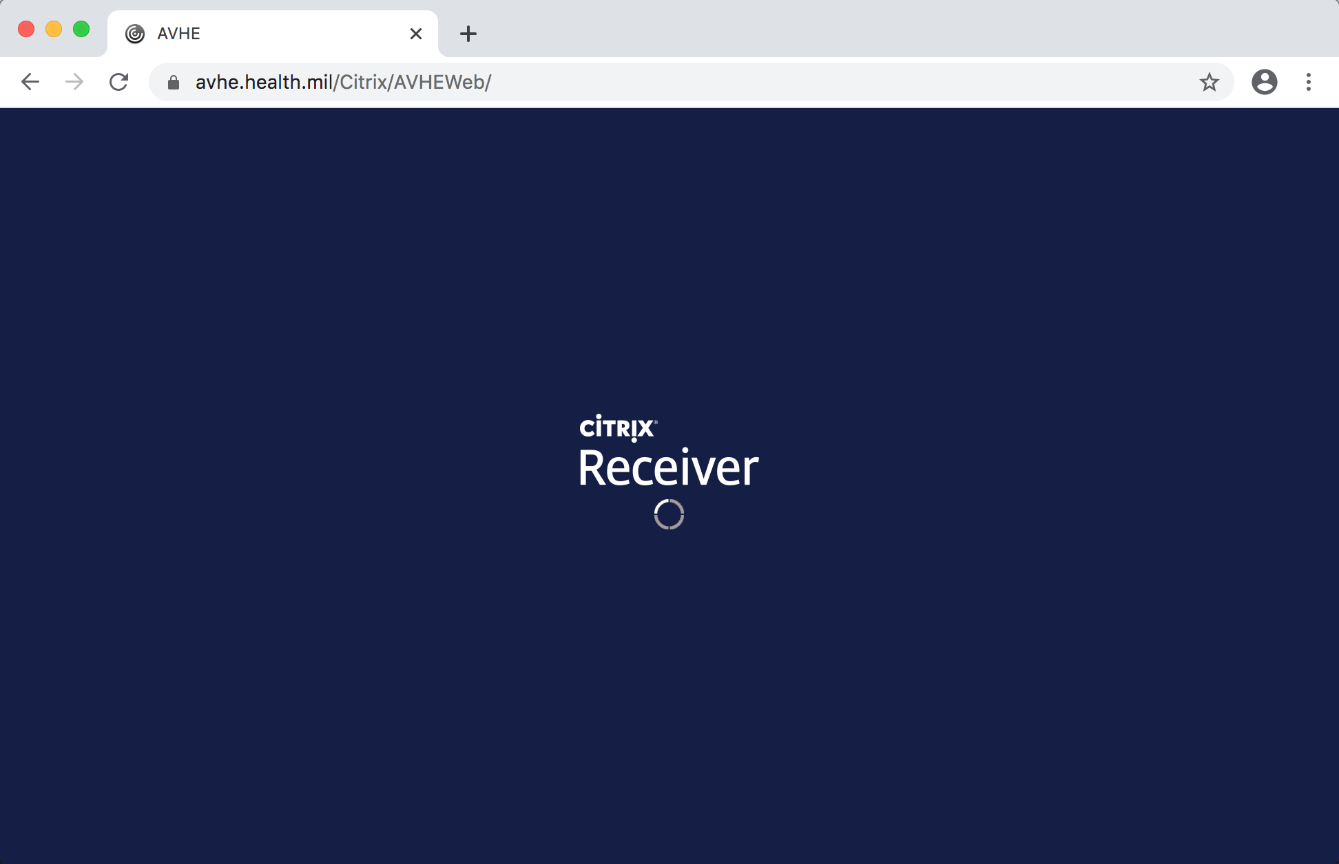
If you see a blue screen with CITRIX Receiver on it...things are looking good!
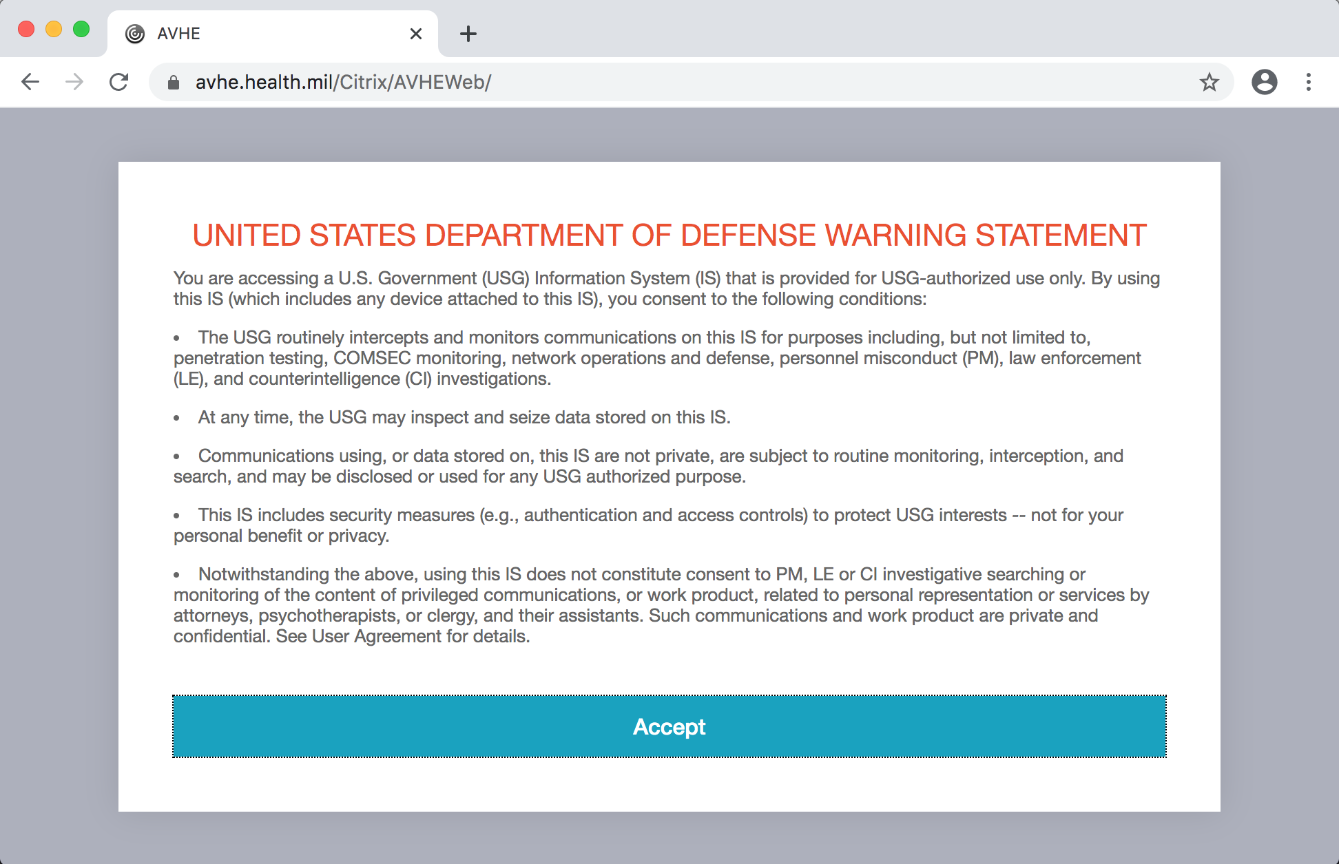
Next you should see the DoD Consent banner. Go ahead and click Accept.
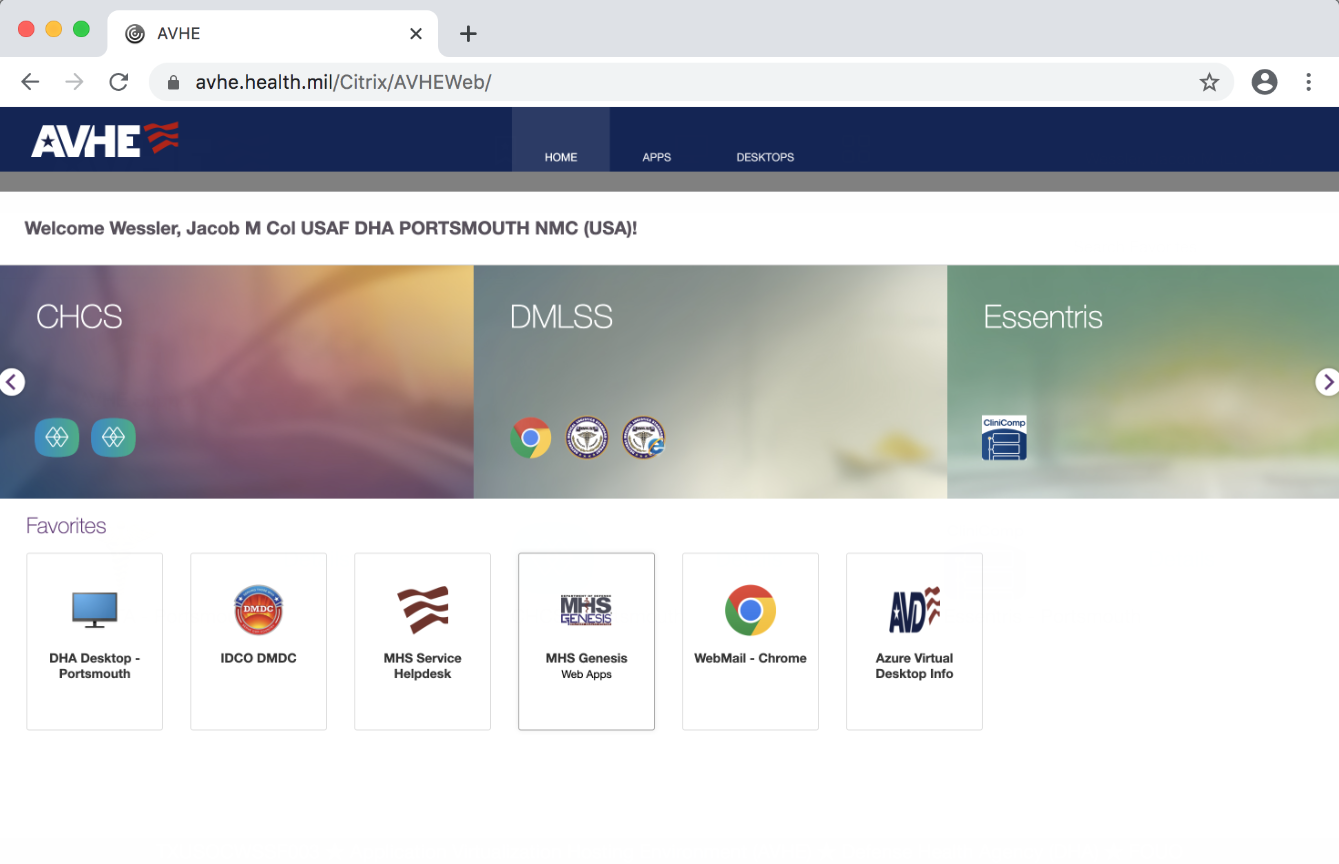
If everything worked out, you should see a page with two shortcuts: AVHE Support and DHAGSC Remedy Phone number (This is the DHA Global Service Center (GSC) Helpdesk phone number).
This is your Favorites tab. You can see Favorites at the top middle of the page.
My page has Favorite apps already added in.
Next to Favorites is the Apps tab. Click on Apps to find all the application shortcuts.
There used to be a search box to help you filter but it's gone now. Upgrades. Sigh.
Scroll to find the application you want. I recommend favoriting MHS GENESIS, Webmail-Chrome, and anything else you use.
Click the Details button of the app you want to use or save.
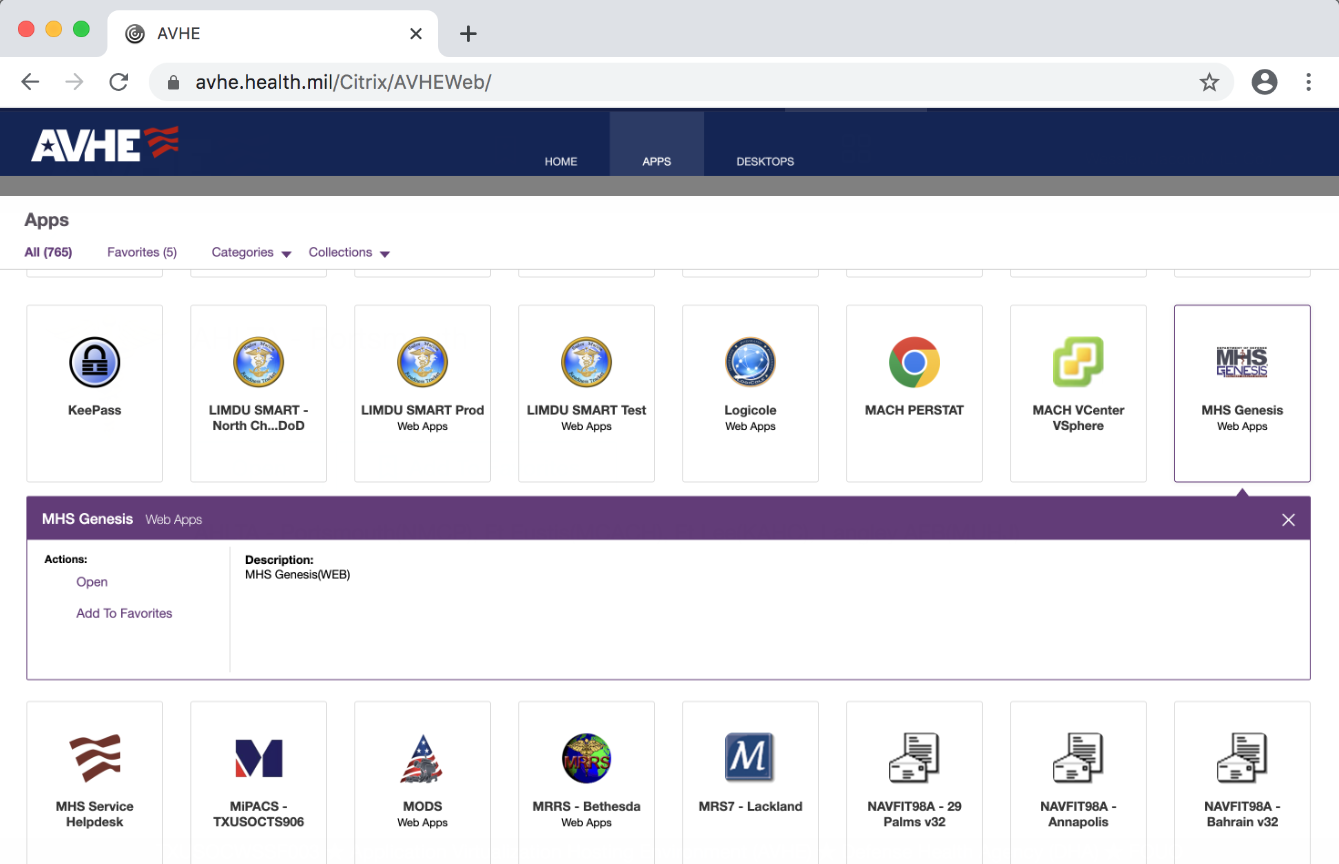
Click the "Add to Favorites" button to add this app to your Favorites tab.
Click the Open button to launch the app.
Click around. Have fun. You have just successfully set up AVHE at home.
mhs genesis | mac & pctop
You can access MHS GENESIS three ways while you are away from your facility
- Access directly: https://access.mhsgenesis.health.mil
- Access using the app in AVHE: https://avhe.health.mil (see instructions above titled avhe)
- Access from the Clinical Desktop (see instructions below titled connect to DHA Desktop)
Option 1 will be the fastest and is my recommended (and favorite) way. Pay attention to your screen resolution and any scaling you may have turned on in your display settings as that may affect how well this option works. (I'm still figuring out the nuances here and do not have any guidance on the best settings)
Option 2 essentially opens a VPN tunnel to the link in Option 1. So, you are creating a nested VPN situation. This will slow things down a bit for you.
Option 3 is similar to Option 2 and is just as slow.
connect to DHA Desktop | mac & pctop
You should see a DESKTOPS button at the top of your AVHE page. Click that button and you'll go to the DHA Desktop page.
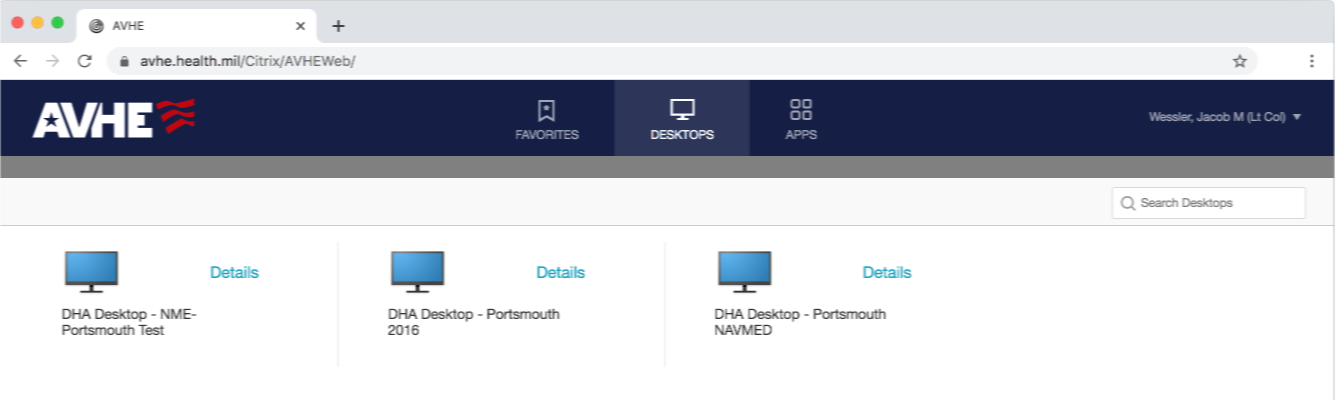
From there, click on the DHA Desktop - [YOUR MTF HERE]. Click on the Desktop for the MTF you are accessing.
This Desktop will allow you to work on a desktop that looks just like your desktop at work. You can access all network applications (e.g. Synapse) and network shares (like your H: drive or any department/division drives). Since you're using regular Microsoft Outlook, you CAN send and receive encrypted e-mail.
connect to webmail | mac & pctop
You've got 3 options to check your e-mail at home
Option 1 - use the Webmail - Chrome app in AVHE.
Option 2 - use a virtual desktop like the DHA Desktop app in AVHE.
Option 3 - use AVD.
If you are at work on a .mil network, you can access webmail via https://webmail.apps.mil...but if you're at work, you might as well use Outlook!
troubleshooting | mac & pctop
There are a lot of things that can go wrong with the above process. Software will change frequently and your computer can get confused.
If you find that your system WAS working but now is NOT, think about anything that might have changed.
Did you:
- Get a new CAC?
- Get a new computer?
- Download new software?
- Update your computer software?
Any one of these might change your system.
The first step is to troubleshoot your CAC/reader combination. Try logging on to DTS or MyPay. If you can get in there, your problem is with AVHE. If you can't get in there, then the problem is with your CAC/reader combination.
update your DoD certificates | mac & pc
Every now and then the DoD updates their certificates. Installing the new certificates can fix a lot of problems and is a good first step.
I get burned by this every now and then...makes me feel pretty stupid when I finally figure it out!
PC users should follow these instructions.
Mac users should go to the DoD Certificates section of this website and follow those instructions.
Google Chrome bug | mac & pc
Some users report getting stuck on Google Chrome with a "Your connection is not private" error. It looks like this:
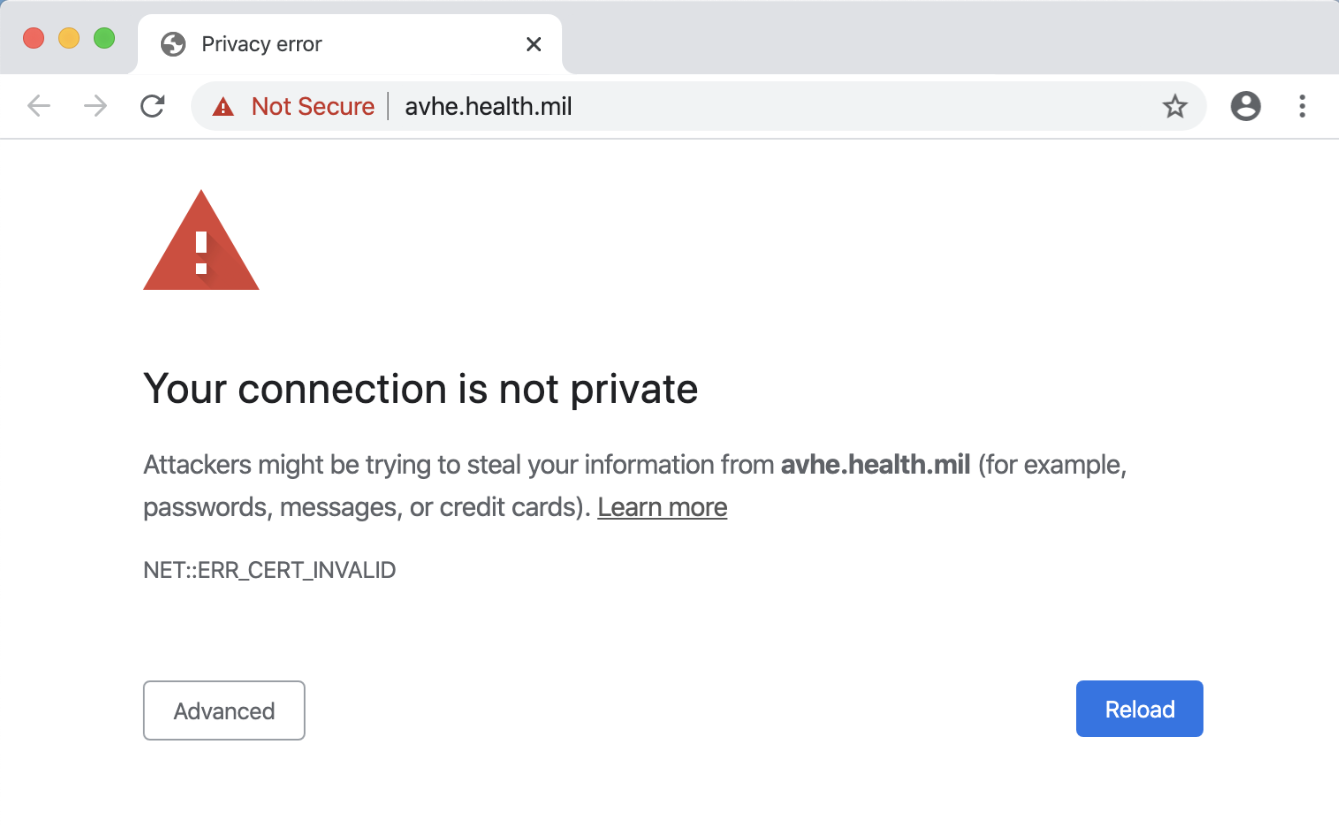
If you can get into myPay, DFAS, NKO, etc and you still get this error in Google Chrome follow these steps:
- Load https://avhe.health.mil and wait for the error message
- MAKE SURE YOU ARE ON THE RIGHT WEBPAGE!! Following the steps below on the WRONG website could lead to a virus on your computer.
- Click somewhere on the white part of the web page ONCE with the left mouse button
- Type in "thisisunsafe" (without the quotes, all lowercase, no spaces)
- Seriously, type "thisisunsafe" and then the page should load
- If the page doesn't load then this is not your error and something else is going on. Consider reinstalling your certificates.
client auth error | mac & pc
Sometimes, after trying to connect multiple times from one browser session, you might get the following error page when going to the AVHE site.
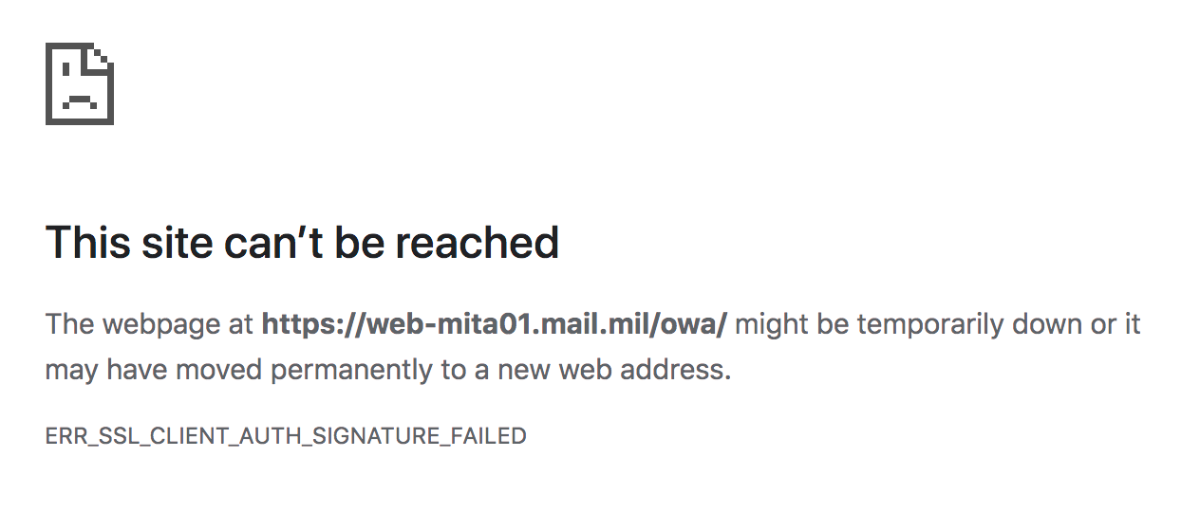
This happens to me every now and then. I think your computer gets confused with the multiple connection attempts and just gives up.
The way I have found to fix this is to QUIT your browser. Don't just close your current window. Actually quit the program.
Mac Users - Click the name of your browser in the top left corner of your screen. Select Quit [browser name]. (e.g. Quit Google Chrome or Quit Safari)
PC Users - Click the red x in the top right corner of your browser window. If you are prompted, click the "Close all tabs" button.
UNPLUG YOUR CAC READER FROM YOUR COMPUTER!! Yes, take the whole thing out. Unplug it.
Take your CAC out of your CAC reader.
Plug your reader back into your computer and place your CAC back in the reader.
Restart your browser and give it another shot. You may need to wait 5-10 seconds for everything to settle in before you launch the AVHE website.
white screen of death | mac & pc (I think)
Some people have been getting the White Screen of DEATH!
Basically, the web page just shows you a white screen in Chrome. I have only seen this in Macs but it makes sense that it might happen in Windows as well.
If you can access DoD Webmail or myPay without trouble then you know your CAC -> CAC Reader -> Computer connection is working.
If you are getting the White Screen of DEATH then right click on the white page and select "View Source."
A new Chrome window will pop up with some webpage code in it.
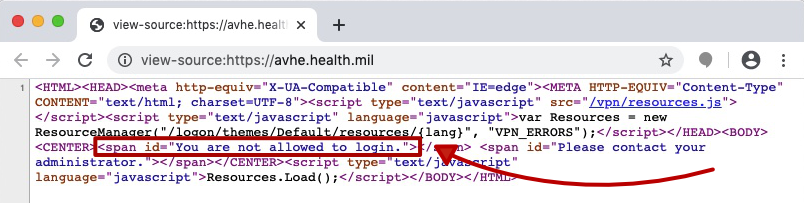
If you see the text "You are not allowed to login" then you need to contact the Global Service Center at dhagsc@health.mil and tell them that you either 1) need a new AVHE account (because it's your first time using it) or 2) need them to reset your account because it is corrupted.
Once they create/reset the account, you can go back to https://avhe.health.mil and try it again.
pc certificate error | pc
PC users may see an error about the SSL certs not existing or being trusted or working.
If that happens, you need to install the DoD Certificates and run the FBCA Cross-Certificate Removal Tool.
REMOVE YOUR CAC FROM YOUR READER BEFORE ATTEMPTING THE THREE STEPS BELOW!
1. Go to this page at MilitaryCAC.com and scroll down to the section on InstallRoot (it's a small scroll).
Download the MilitaryCAC (.msi version) to your computer. Find the file. Double-click on it to run it.
Follow the prompts to install the DoD Certificates.
2. NEXT, you should run the FBCA Cross-Certificate Removal tool. This helps to clear up any certificate issues on your computer.
Go to this page and download the FBCA Cross-Certificate Remover tool. Run the program and follow the prompts.
3. Restart your computer and try again. You should be good to go.
thankstop
I hope you found this useful. If you have any comments or critiques, please send me an e-mail. I'm in the global.
Jacob Wessler
Col, USAF
versionstop
I'll keep a running list of version changes here so you can come back and see what has changed if you find you are having problems.
version 4.0uploaded 25 MAY 26
NEW NAVIGATION MENU! Rewrite of most sections Removed outdated information
version 3.7uploaded 15 JAN 23
Added section on MHS GENESIS Version 3.7 Archive
version 3.6uploaded 03 OCT 22
Updated section on webmail
Changed @mail.mil addresses to @health.mil
General cleanup of some language
Version 3.6 Archive
version 3.5uploaded 14 AUG 22
Updated Introduction Stats
Added info on webmail changes with @health.mil e-mail addresses
Version 3.5 Archive
version 3.4uploaded 11 JAN 22
Updated Introduction
Added Update DoD Certificates Troubleshooting section
Version 3.4 Archive
version 3.3uploaded 17 JAN 21
PC SSl troubleshooting section added - FBCA Cross-Cert Removal Tool, Install Root
Version 3.3 Archive
version 3.2uploaded 08 DEC 20
Added opening section on Mac vs PC. Also NEVER Chromebook.
Version 3.2 Archive
version 3.1uploaded 24 APR 20
Added comment to CITRIX Workspace App for PC users
Added info for new AVHE users
Added screenshots of the Detect Receiver process for AVHE
Added Troubleshooting section on the White Screen of DEATH
Added "Jump to the top" links for all major blue sections
Version 3.1 Archive
version 3.0uploaded 09 APR 20
Added section on Gatekeeper and linked to it from other sections
Expanded section on DoD Certificates
Updated section on browsers
Added section on Microsoft Edge (pc only)
Added troubleshooting section on the client_auth_signature_failed error
Version 3.0 Archive
version 2.3uploaded 01 APR 20
Added section on Chrome vs. Safari (mac only)
Added screenshot of CITRIX Add Account and why we skip it
Added link to FBCA Cross Certificate Removal tool
Version 2.3 Archive
version 2.2uploaded 31 MAR 20
It's Catalina, not Cantalina...apparently! FIXED 5 errors.
New introduction with instructions for taking a screenshot
New Table of Contents
Refreshed CAC Enabler, CITRIX, and DoD Certificate sections
Google Chrome bug information added
Google Chrome bug screenshot added (Thanks MJD!!)
Version 2.2 Archive
version 2.1uploaded 21 MAR 20
Updated Table of Contents
Clarified CITRIX Workspace app vs CITRIX Receiver
Added info on the DHA Desktop
Expanded Troubleshooting section
Fixed spelling errors and one more CAC tautology (CRIMENY!)
Version 2.1 Archive
version 2.0uploaded 21 FEB 20
Refresh of all instructions
Reduced information as the process is simpler now
Added info on macOS 10.15 Catalina and later
Added DOD Certificates in Troubleshooting
Version 2.0 Archive
version 1.1uploaded 08 AUG 18
Updated URL
Updated screenshots
Added screenshots for Favorites
Fixed all instances of the "CAC card" tautology (Ugh...)
Version 1.1 Archive
version 1.0uploaded 20 OCT 15
Website created
Version 1.0 Archive